Material Consciousness
The profound understanding that exceptional materials spanning geological time, cultural heritage, and human innovation deserve equal reverence. Not a marketing concept — an empirical worldview connecting visible beauty to invisible forces.
The Name Phaigort
Phaigort fuses Greek phainomenon — that which reveals itself through observation — and Portuguese fazer — to make, to create. Honouring García de Orta, the Portuguese physician who wrote the first scientific gemstone treatise in everyday language “so that traders and other locals could make use of it” — sharing knowledge rather than keeping it exclusive.
Our name captures our mission: reveal what Earth creates, celebrate what humans make, and share the knowledge generously.
The Iberian Voyage
Drawing lineage from 16th-century Portuguese and Spanish trading vessels where materials from four continents converged in markets valuing knowledge over pedigree. These nau ships were not instruments of conquest but vehicles of discovery — carrying materials, knowledge, and people across uncharted waters.
We inherit this spirit: the intellectual rigour and geometric clarity, the voyage romance and artisan reverence. Where great luxury houses built fortresses, we build harbours. Where they gatekeep, we welcome. Where they whisper “for the chosen few,” we declare “for the genuinely curious.”
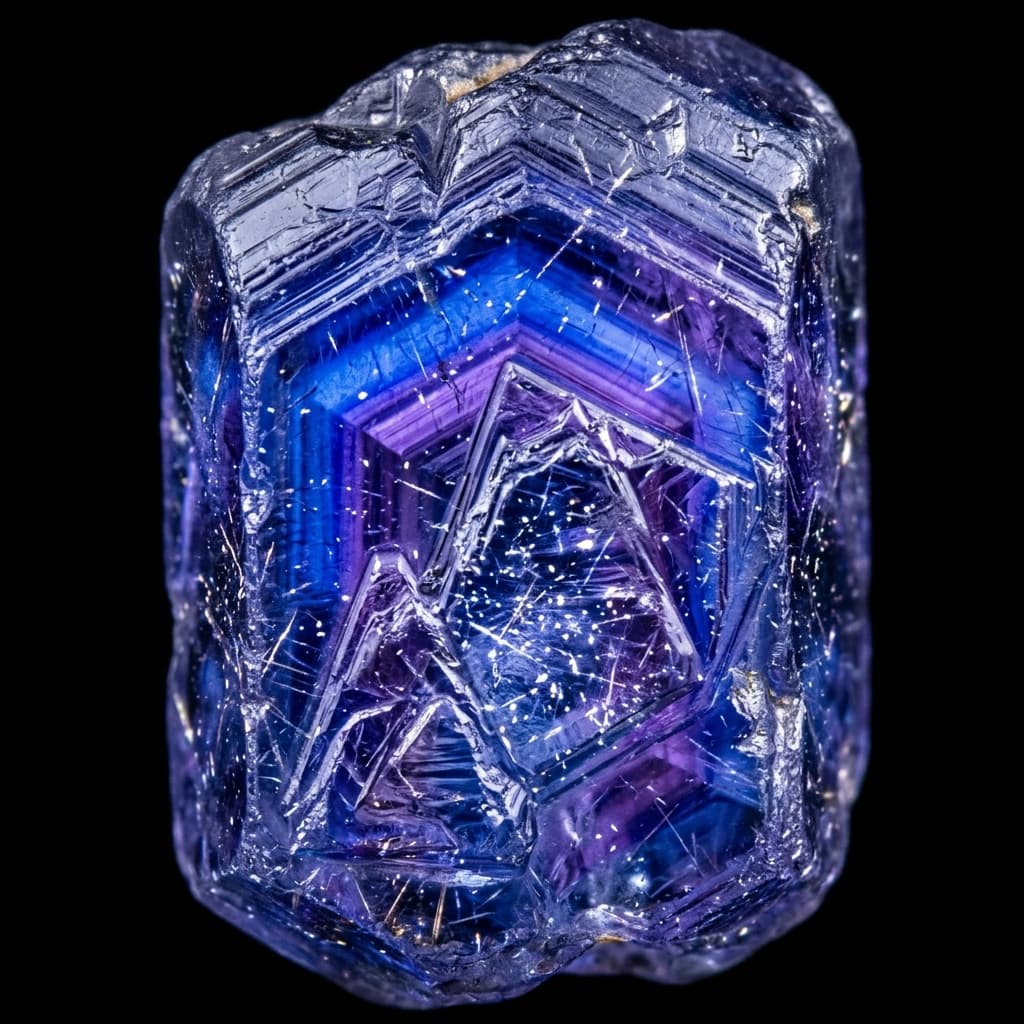
Some things take forty million years to become extraordinary.
— Phaigort
Sources of Material Value
Natural Creation
Deep geological time — gemstones formed under planetary forces across millions of years, precious metals concentrated through hydrothermal processes, crystalline formations revealing Earth's 4.6-billion-year narrative.
Cultural Heritage
Human craft mastery refined across generations — Portuguese filigree requiring 65 meditative steps, Japanese mokume-gane fusion techniques, gem cutting traditions translating mathematical precision into visible brilliance.
Technical Mastery
Contemporary innovation — aerospace alloys, proprietary surface finishes, experimental composites requiring years of research and irreplaceable expertise to develop.
Colour, light, crystalline geometry — forces no craftsperson can replicate
A ruby's red comes from chromium — the same element that colours emeralds green, depending entirely on the mineral that hosts it. An alexandrite shifts from teal in daylight to deep raspberry under incandescent light because its absorption spectrum falls precisely on the boundary between two light sources. These are not accidents of beauty. They are chemistry operating under conditions that exist only deep within the Earth, only under specific geological circumstance, only once.
We choose materials where this geological intelligence is still visible in the object itself — not polished away, not set so the stone becomes decoration. Every piece in a Phaigort collection is selected because you cannot separate its beauty from its science. The two arrived together. They do not come apart.
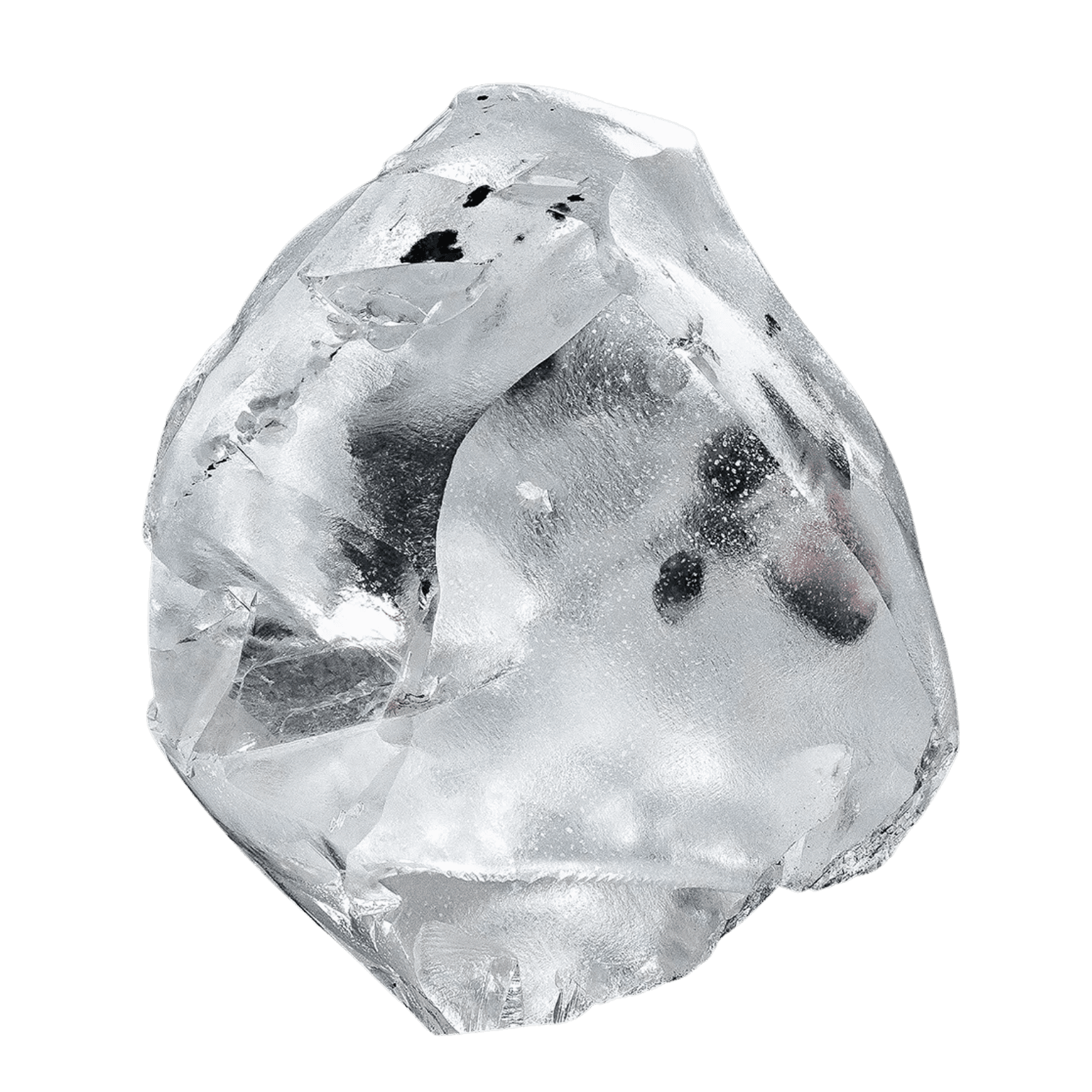
We go where the stones are — before the market decides their value
Great gemstones do not announce themselves. They surface in river gravels outside Ratnapura at dawn, in the metamorphic corridors of the Malagasy highlands, in marble seams running through mountains that most maps do not bother naming. Finding them rough — ungraded, unvalued, still carrying the earth they came from — requires something closer to geological intuition than to commerce.
This is how Phaigort reaches material that never reaches open markets. Not through sourcing networks or supply chain partnerships — through relationships built over years at origin, with people who know which riverbank to stand on after the rains, and why. Provenance, here, is not a certificate issued after the fact. It is a conversation that began at the ground itself.
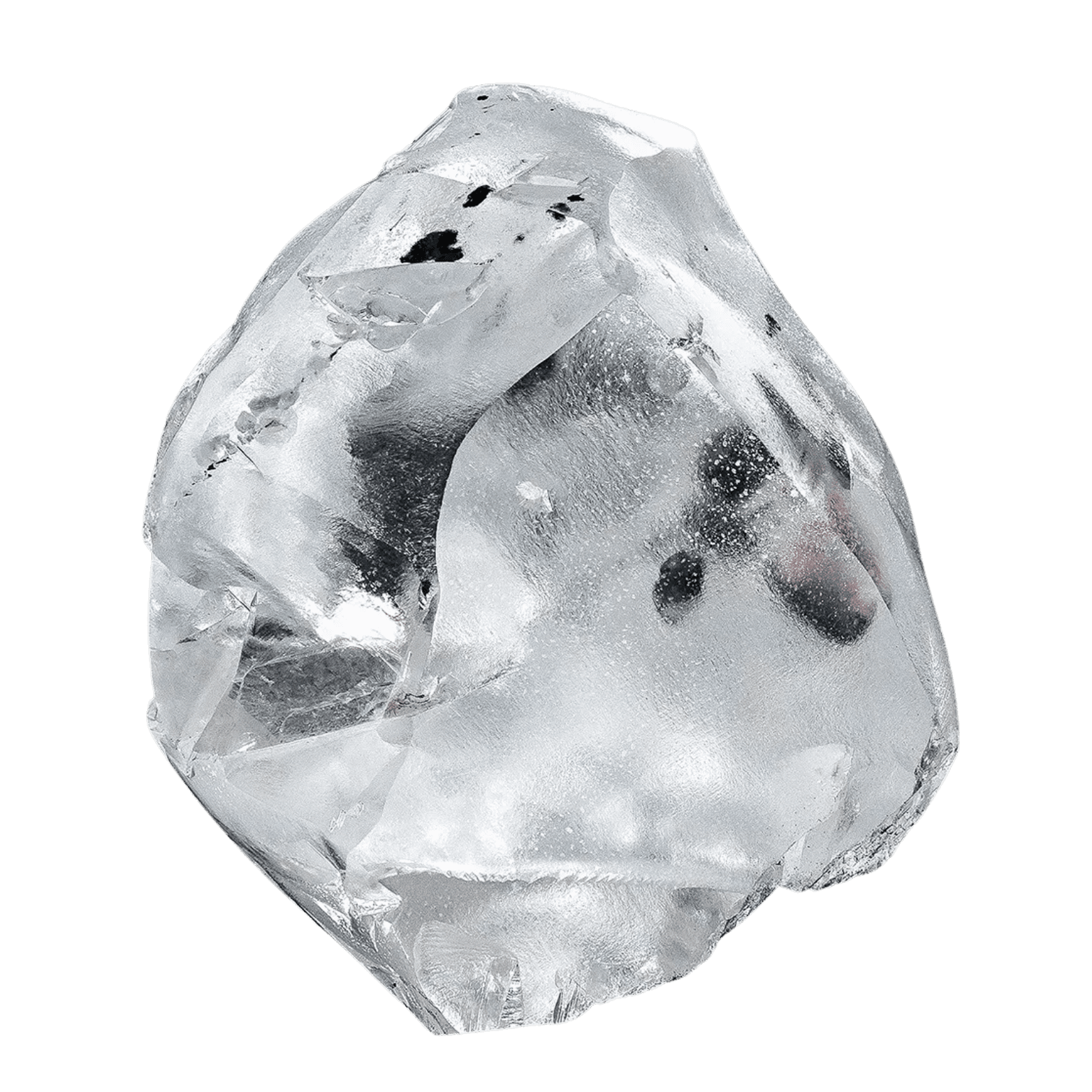
One question governs everything we allow to leave the atelier
A stone cut to maximise weight retention is not the same stone cut to reveal what the Earth intended. Metal chosen for production efficiency is not the same metal chosen for how it changes over decades of wear — the way gold develops patina that records the life lived alongside it. These distinctions are not aesthetic preferences. They are the difference between an object and an heirloom.
Every piece in the Phaigort collection is held to a single question before it leaves: will this matter more in twenty years? Not simply hold its value — matter. To someone who finds it in a drawer. To someone who receives it without context. To someone who has not yet been born. If the answer is uncertain, the piece does not leave.

The Lineage
García de Orta, 1563
The first European to document the gemstone trade routes of Goa, Hormuz, and Ceylon — recording colour, clarity, and origin with the rigour of a naturalist and the instinct of a merchant. Phaigort's discipline begins here.